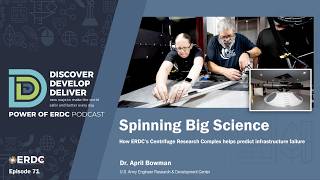
REPLICATING REAL-WORLD CONDITIONS TO REDUCE ENGINEERING RISK
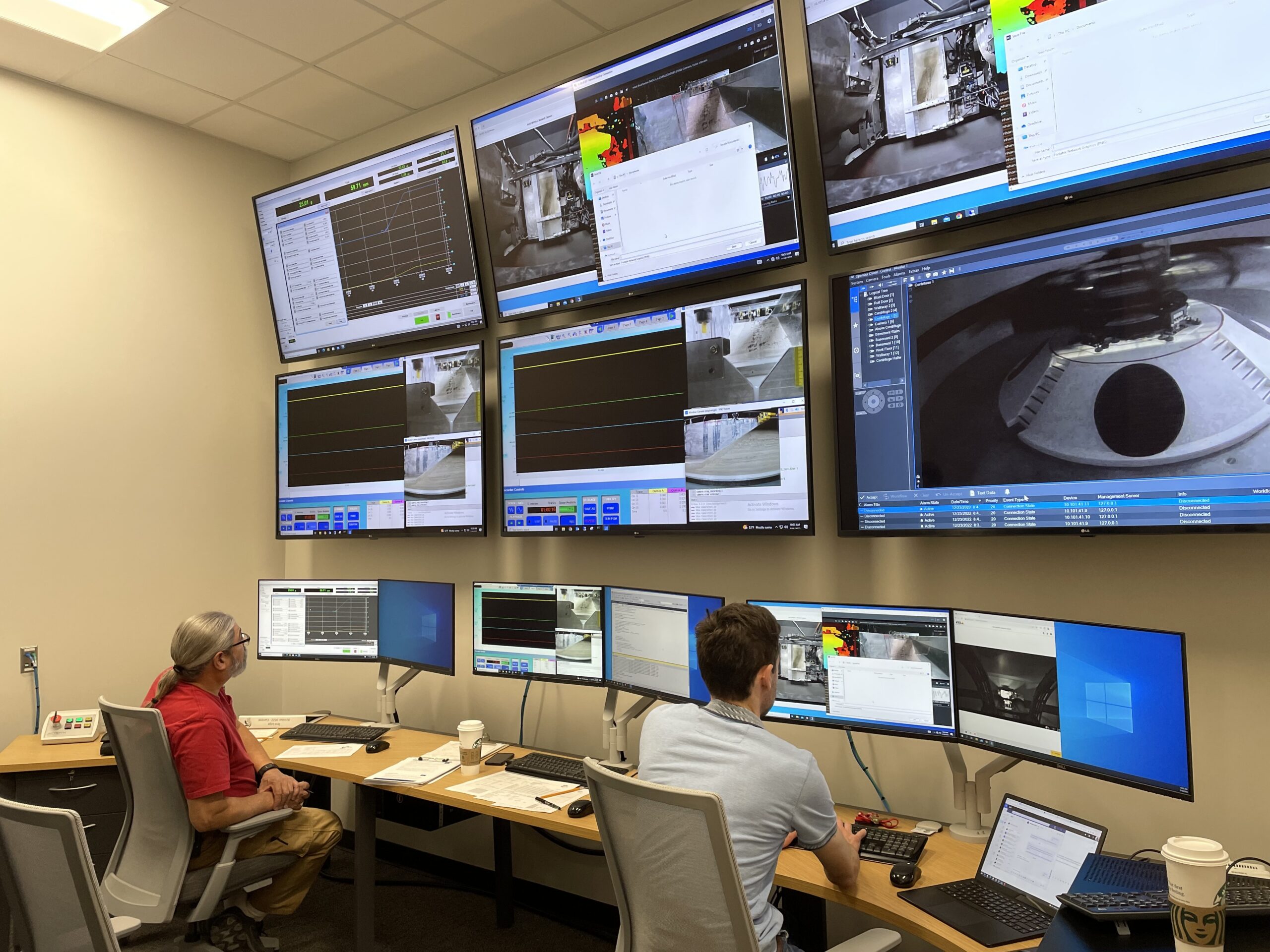


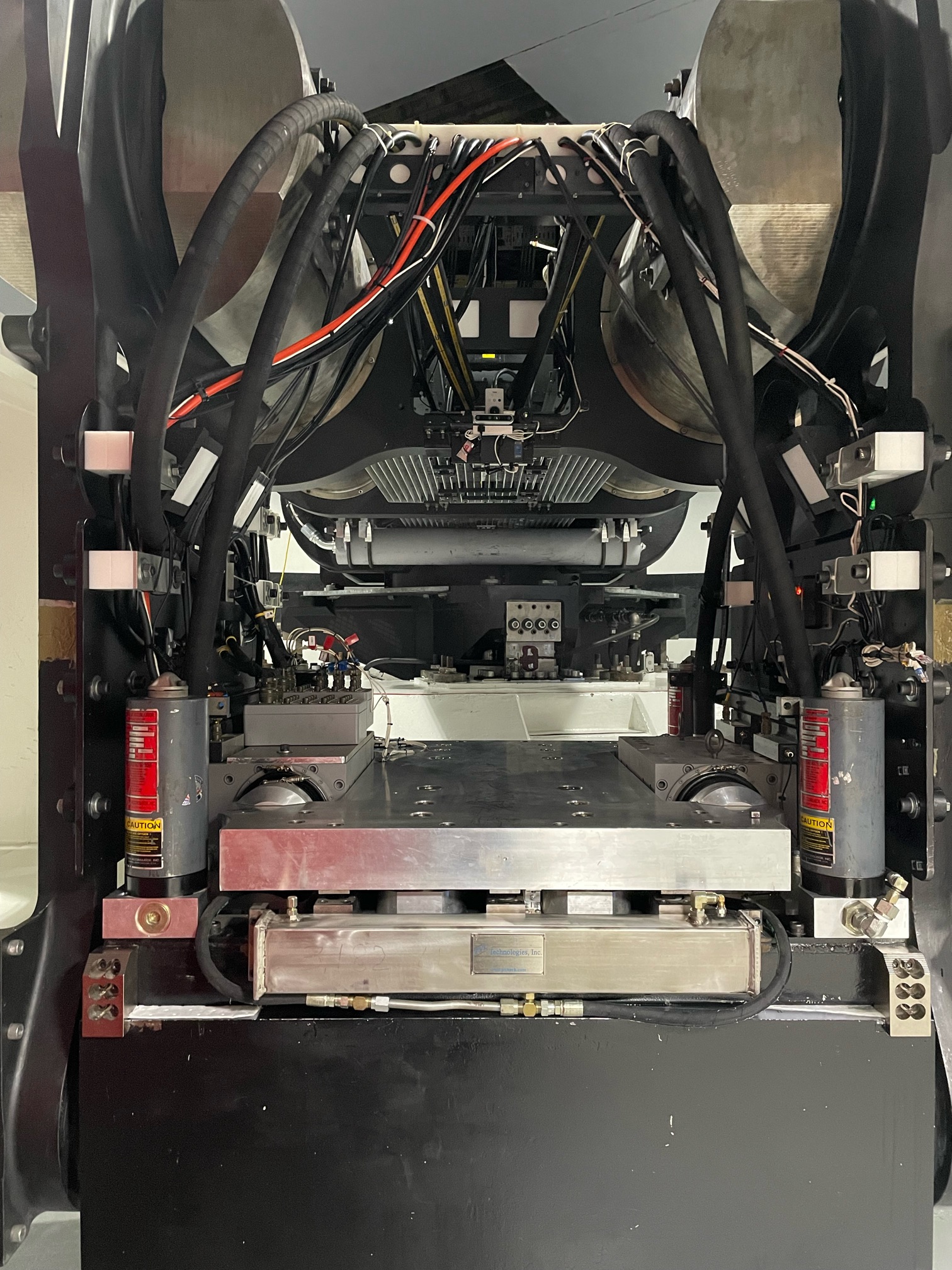
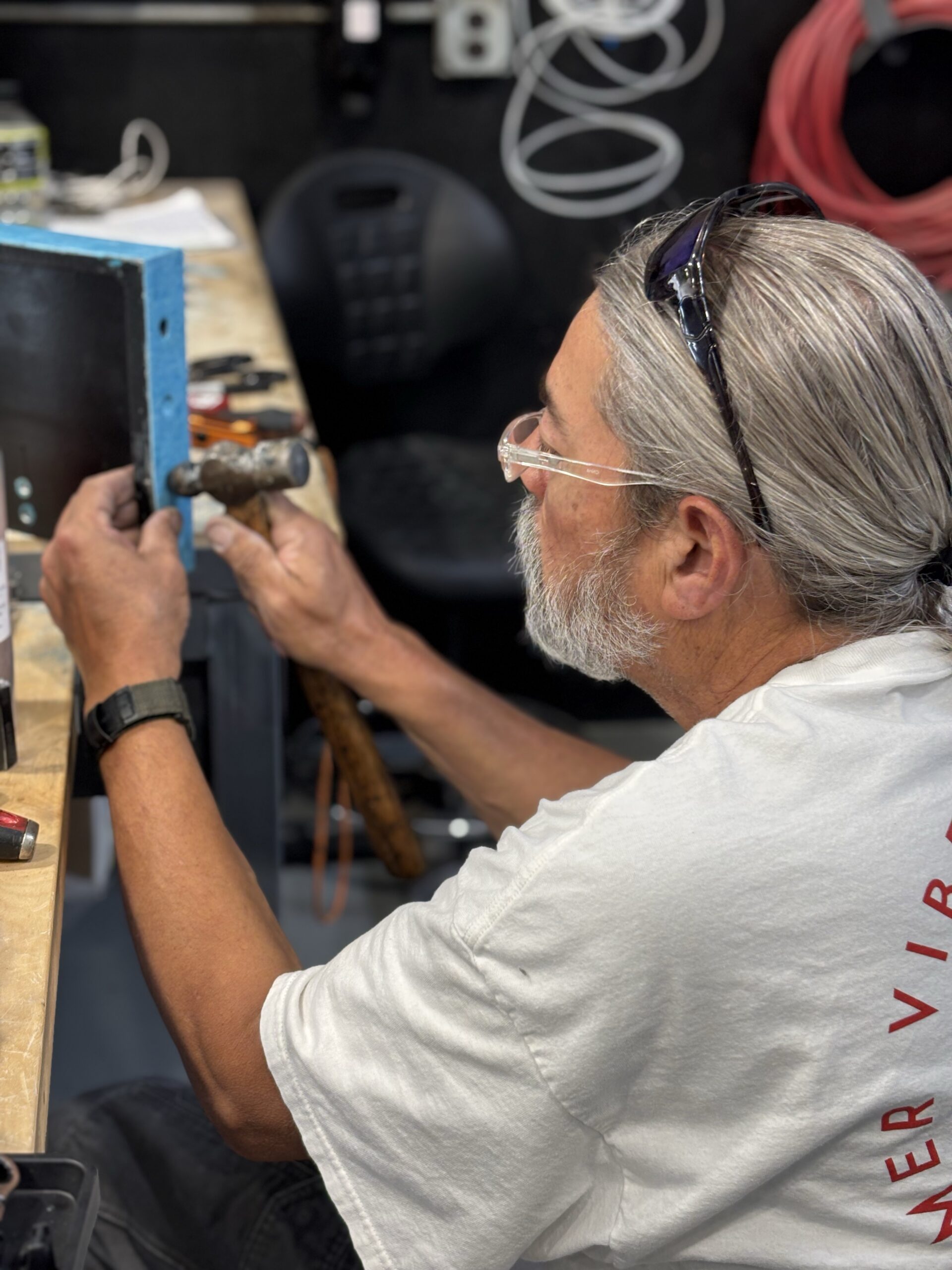
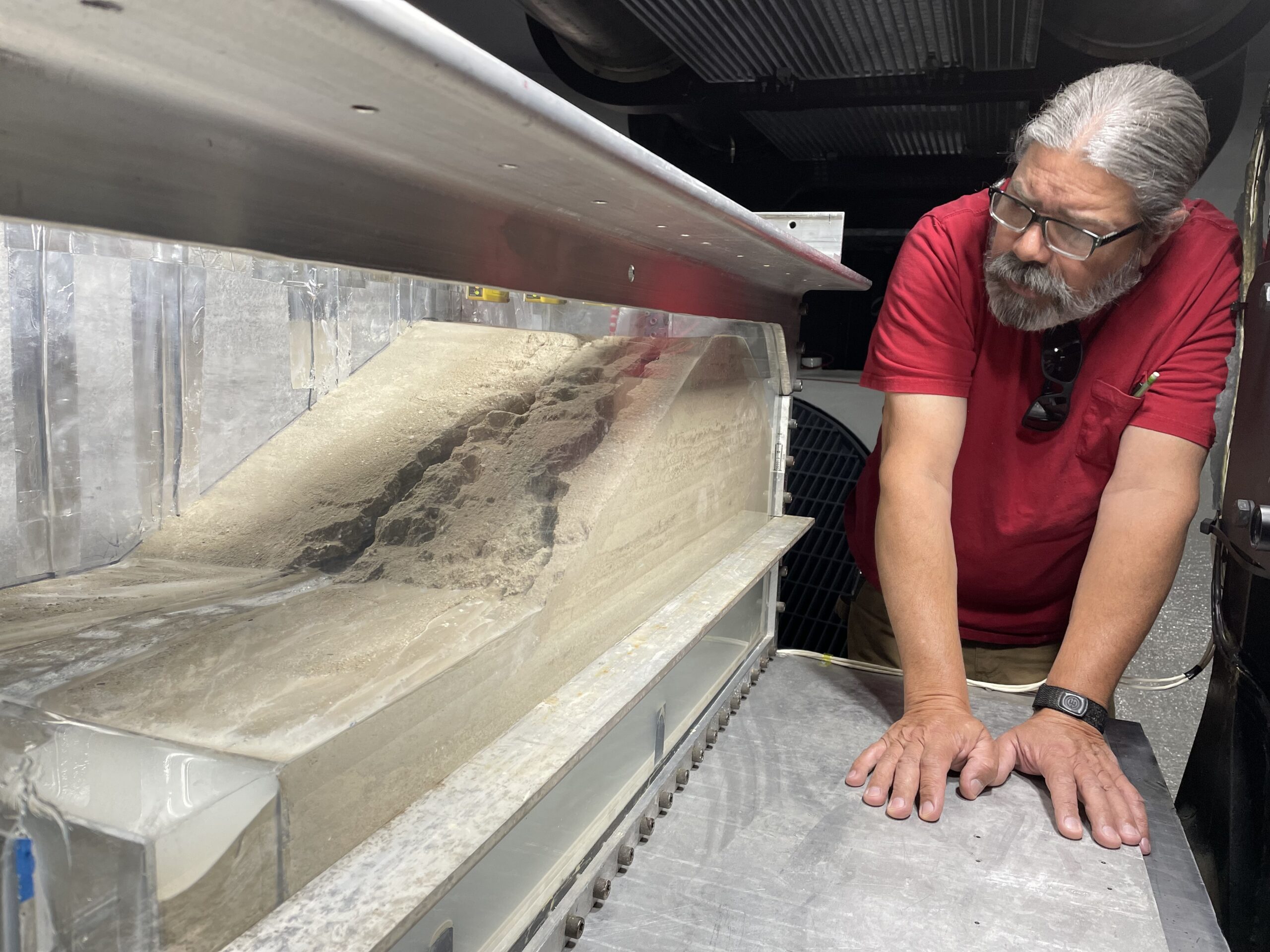
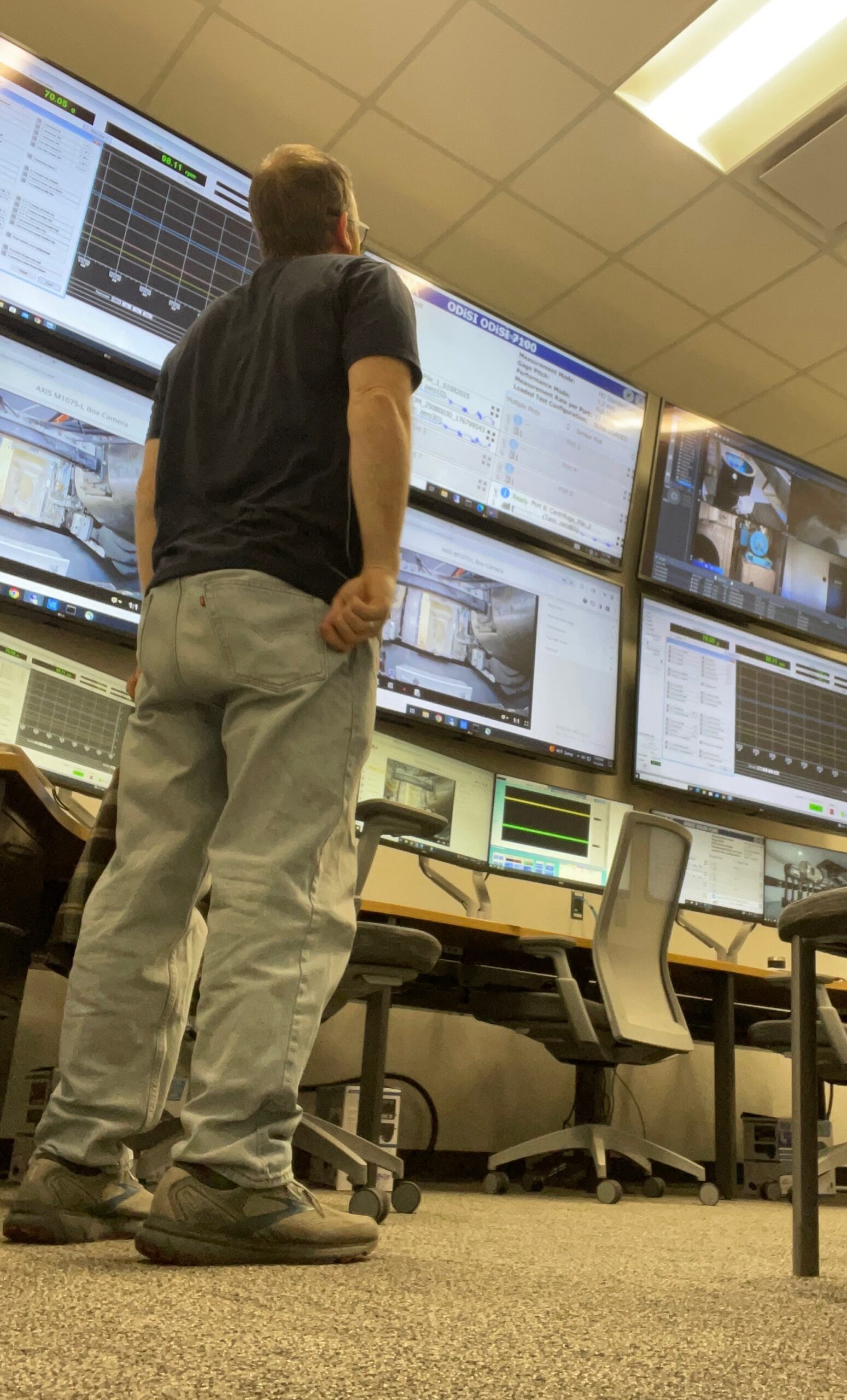
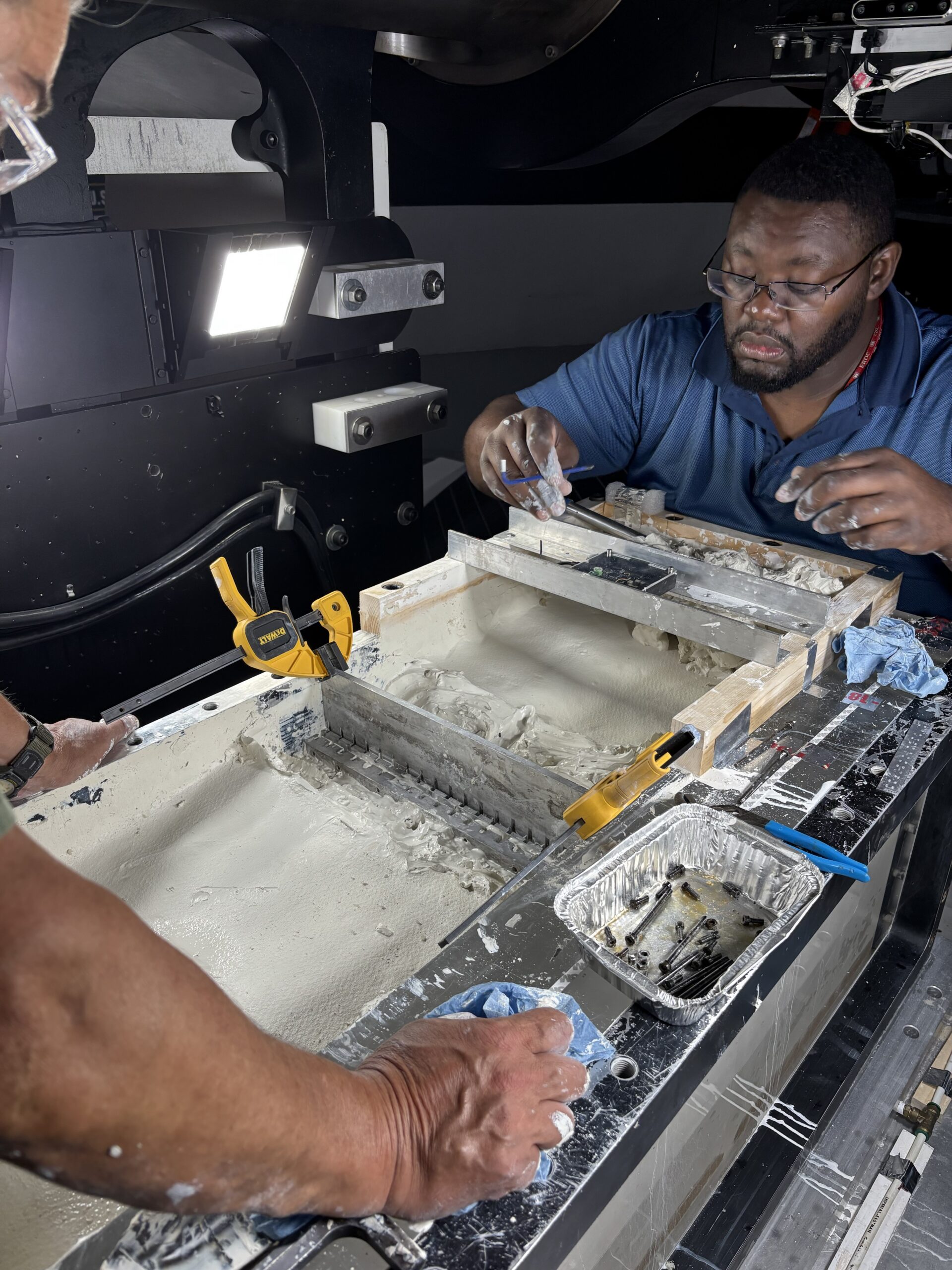


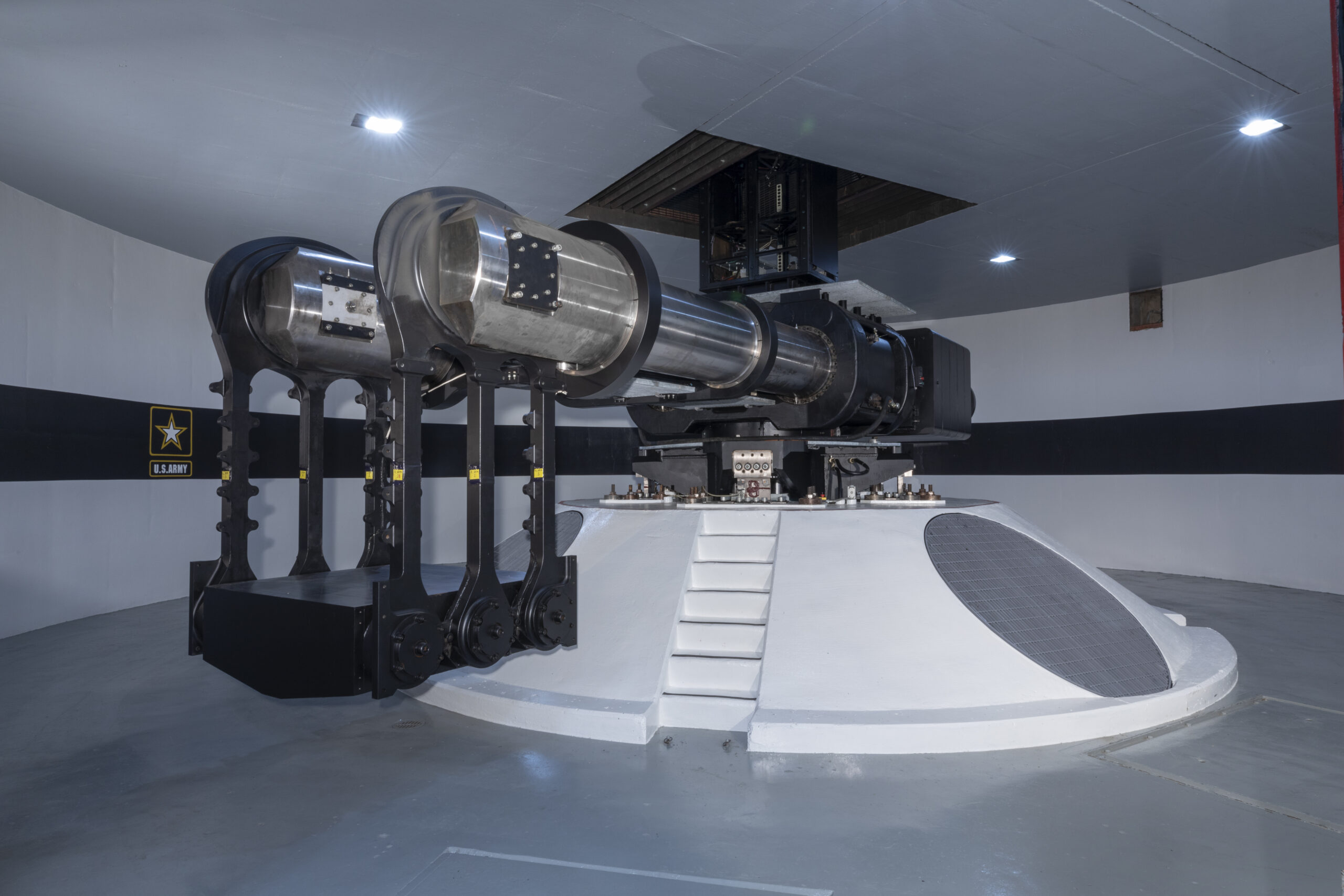
Operated by ERDC's Geotechnical and Structures Laboratory (GSL) in Vicksburg, Mississippi, the Centrifuge Research Complex (CRC) is one of the largest geotechnical beam centrifuge facilities in the world. Commissioned in 1995 and designed by Acutronic Systems of Elancourt, France, the facility enables researchers to evaluate the behavior of structures, systems, and natural processes under realistic gravitational and stress conditions using scaled physical models.
By spinning carefully instrumented models at acceleration levels ranging from 10g to 350g, the CRC reproduces stress states equivalent to full-scale conditions. This approach allows researchers to investigate complex engineering problems, evaluate multiple design alternatives, and collect high-quality experimental data while significantly reducing project cost, schedule, and risk compared to conventional field testing.
Unlike many centrifuge facilities that focus on a single research area, the CRC supports both civil works and national security missions. The facility conducts studies involving levees, dams, coastal infrastructure, foundations, contaminant transport, earthquakes, blast effects, protective structures, and other geotechnical and structural challenges. Its combination of large-scale capacity, advanced instrumentation, unique loading capabilities, and experienced technical staff enables the CRC to support a diverse range of customer-driven research programs.
Capabilities
High-G Physical Modeling
Supports models up to 8.8 tons across a 10–350g range, allowing larger and heavier prototypes to be tested with less scaling distortion
Distributed Fiber-Optic Strain Sensing
Continuous, high-resolution monitoring technology capable of measuring strain along entire structural elements, providing significantly greater spatial coverage than traditional point-based sensors
In-Flight Explosive Blasting
Enables researchers to investigate blast effects, explosive cratering, protective structures, and weapons-effects phenomena while models are operating at elevated g-levels
High-Density Data Acquisition
Instrumentation infrastructure supporting up to 180 data channels for simultaneous monitoring of complex models and experimental programs
ES-80 Servo-Hydraulic Shake Table
Enables high-quality dynamic and seismic testing at elevated g-levels, simulating periodic, aperiodic, random, and scaled earthquake motions for geotechnical and structural research
Advanced Imaging Systems
High-speed, infrared, and 3D-imaging platforms that capture deformation, thermal response, and failure processes in real time during testing
In-Flight Autobalance System
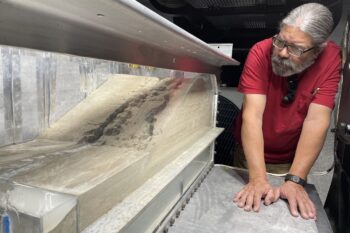
Allows mass to be added or subtracted while spinning, enabling first-of-its-kind simulation of dynamic processes like levee erosion of landslide initiation
Piston Wavemaker System
Generates controlled, repeatable waves using a linear piston within a centrifuge-mounted research tank at up to 30g, supporting coastal, wave-loading, and offshore research
Service Tiers
Tier 1
Standard Testing Services
(~2 weeks/test)
Supports well-defined research objectives through standard centrifuge testing. Includes model fabrication, instrumentation, data acquisition, and baseline analysis for engineering evaluation and design validation.
Tier 2
Advanced Multi-Hazard Testing
(~3 weeks/test)
Supports complex investigations involving seismic, blast, wave, and other combined loading conditions. Includes specialized instrumentation, custom models, and enhanced data analysis for advanced engineering studies.
Tier 3
Development Testing
(~4 weeks/test)
Supports development of new testing methods, equipment, and experimental capabilities. Includes validation of novel concepts and exploration of emerging physical modeling approaches.


Partnership & Collaboration
Inquiries from interested parties will be received directly by the ERDCWERX team. Following initial discussions, ERDC will determine which agreement mechanism is the most appropriate.
Potential Partnership Pathways
 Cooperative Research and Development Agreement (CRADA)
-
Testing Services Agreement (TSA)
-
Service Agreement (SA)
-
Interagency Agreement (IAA) (Government)
Learn more about the available pathways to work with ERDC.
Request Information Form
Organizations interested in funding reimbursable services may submit the form below to inquire about collaboration opportunities. Parties interested in submitting solutions for potential funding consideration may visit ERDCWERX.org.
Featured Video
Centrifuge General Capabilities
03.25.2024
Related Resources
- Centrifuge Research Complex Factsheet
- ERDC Centrifuge Research Complex
- Centrifuge Facility Retrofit Report
- Erodibility in Centrifuge Models of Embankment Overtopping Report
- Evaluation of the Maximum Bending Moment of an Embedded Cantilever Flood Wall Measured by Distributed Strain Sensing Fibers Report
- Physical Modelling Analysis of the New Orleans Levee Breaches Report